 Skip to content

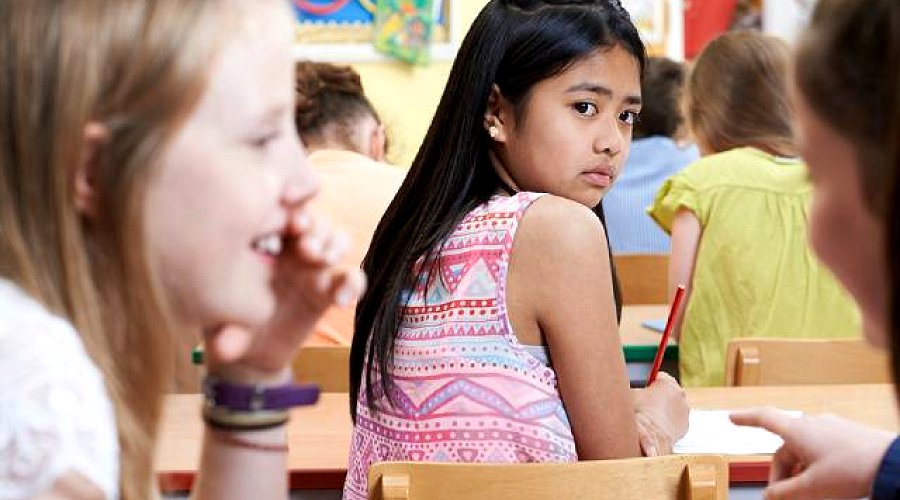
Peer pressure is an inevitable aspect of a child’s school experience, influencing their behaviour, attitudes, and decision-making. Although it is common for young children to seek approval from their parents, as they get older, they tend to seek approval from their peers instead, as a result of fear of loneliness and isolation. As parents, navigating this complicated terrain requires a thoughtful and proactive approach to ensure your child’s well-being and healthy development, and empower them with resilience.
Read on as we delve into understanding and addressing peer pressure in schools and what parents can do to help.
Understanding peer pressure
Before we delve into strategies to help deal with and navigate peer pressure, let’s take a look at what the term actually means.
Peer pressure refers to the influence exerted by one’s peers to conform to certain behaviours, attitudes, or values. It is a natural part of social development, but when left unchecked, it can lead to adverse consequences. Research indicates that peer pressure can be categorised into several types: direct and indirect, positive and negative (Hartney, 2022). Positive peer pressure encourages constructive behaviours such as excelling in academics or making healthy lifestyle choices, while negative peer pressure can lead to risky and harmful choices. Recognising these distinctions is crucial for parents in order to guide their children through the challenges of school life.
Types of peer pressure
● Direct peer pressure
This occurs when a child is directly urged or influenced by their peers to engage in a particular behaviour. It can range from harmless activities such as trying a new hobby or experimenting with fashion trends, to more risky behaviours like experimenting with drugs or engaging in vandalism, depending on the nature of the peer group. depending on the nature of the peer group. For instance, the child could be persuaded to cheat on a test or shoplift, depending on the nature of the peer group.
● Indirect peer pressure
Indirect pressure is more subtle, involving a child feeling compelled to conform to certain norms or trends within their peer group. This can manifest through social expectations and the desire to fit in. An example of indirect peer pressure would be a teenager feeling pressured into dressing a certain way due to popular trends among their friend group.
● Positive peer pressure
Positive peer pressure involves encouragement from peers to engage in activities that are beneficial or constructive. This can include academic achievements, sports participation, or involvement in community service. A form of positive peer pressure would be friends encouraging a student to join a study group to improve their academic performance.
● Negative peer pressure
On the other hand, negative peer pressure pushes a child towards behaviours that may have detrimental effects on their well-being. This can include substance abuse, delinquency, or engaging in risky activities that can lead to negative consequences.
How to navigate peer pressure
Navigating peer pressure requires a multifaceted approach that involves both understanding its nuances and equipping children with the tools to make informed decisions. Here are some strategies to further guide parents in helping their children navigate the complexities of peer pressure:
1. Building open communication
Open communication serves as a cornerstone for helping children navigate peer pressure. Encourage an open and comfortable environment for your child to discuss certain topics with you. For example, when your child tells you about the negative things their friends are doing, refrain from lecturing or overreacting, as this might discourage your child from feeling at ease discussing these topics with you in the future. Instead, empower your child to think about the consequences of such negative behaviour by prompting questions such as “I wonder what would happen to your friend if he is caught for cheating on his test?”
2. Encouraging individuality and self-esteem
Children who possess a strong sense of individuality and self-esteem are better equipped to resist negative peer pressure (Helfand, 2023). Encourage your child to explore their interests, talents, and passions, thus fostering a sense of identity that is not easily swayed by external influences. Positive reinforcement and acknowledgement of their achievements can contribute to healthy self-esteem, reinforcing their ability to make independent choices.
3. Familiarise yourself with your child’s friends
Get to know your child’s friends by inviting them over, chatting with them, and getting to know their parents. This allows your child to see that you are interested in their friends and are willing to connect with the people they value. Maintain open and honest communication with your child about their friendships, and talk to the parents of their friends if any concerns or worries arise.
4. Monitor social media engagement
Parents are advised to diligently monitor their children’s social media closely to gain a comprehensive understanding of their online interactions. With the rise of online gaming, it is imperative for parents to maintain a close watch on their children’s virtual interactions, concurrently setting clear guidelines for responsible use. Promoting a balanced lifestyle that includes a healthy mix of online and offline activities, parents play a crucial role in staying actively involved. By staying engaged, parents not only provide ongoing guidance, but also cultivate a trusting environment where children feel comfortable sharing concerns about their online experiences.
5. Seeking professional guidance
If you observe persistent signs of distress or significant changes in your child’s behaviour, consider seeking professional guidance. A counsellor or child psychologist in Singapore can provide valuable insights into the underlying issues contributing to peer pressure challenges and offer them strategies for coping and resilience.
Conclusion
Navigating peer pressure in school is a complex but manageable task with the right approach. By fostering open communication, encouraging individuality, teaching decision-making skills, promoting healthy friendships, setting realistic expectations, monitoring social media engagement, and seeking professional guidance when needed, parents can empower their children to resist negative peer influences.
For parents who are navigating challenges alongside their children, accessing dedicated counselling for adults in Singapore can provide valuable support and insights in fostering a positive environment for both parents and their school-going children.
References
Hartney, E. (2022). What is peer pressure? https://www.verywellmind.com/what-is-peer-pressure-22246
Helfand, E. (2023). How to help your child handle peer pressure. Wellspring Center for Prevention. https://wellspringprevention.org/blog/help-child-handle-peer-pressure/#:~:text=Building%20self%2Desteem%20is%20a,when%20faced%20with%20challenging%20situations.