 Skip to content

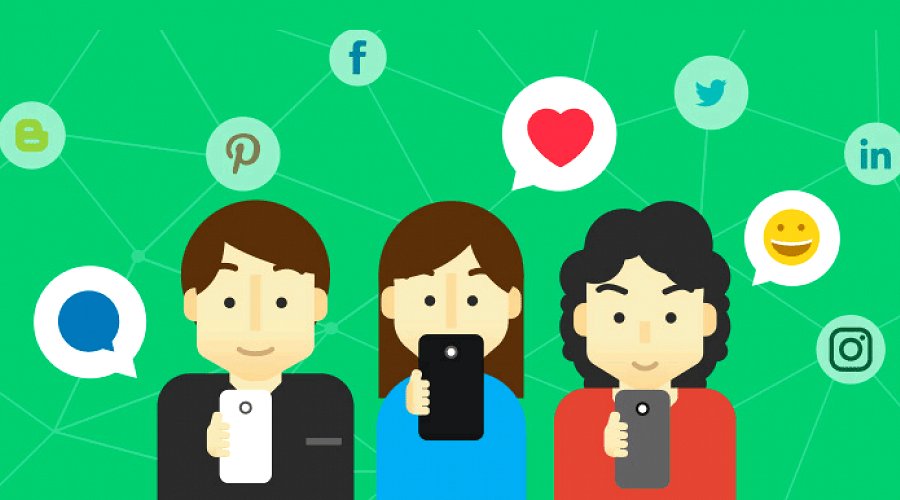
According to a 2019 digital report, there are 4.2 million mobile social media users in Singapore, which means more than 70% of Singaporeans use social media on their mobile devices (We Are Social, 2019). Thanks to social media, staying connected to our friends and family has never been more convenient. Social networking sites (SNSs) such as Facebook, Instagram, YouTube, aim to transcend physical boundaries and connect people online. However, it is important to keep in mind that social media can be a double-edged sword. Excessive use of SNSs has been linked to poorer self-image and mental well-being, increasingly one’s vulnerability for depression and anxiety (Fardouly, Willburger & Vartanian, 2018; O’Reilly, Dogra, Whiteman, Hughes, Eruyar & Reilly, 2018).
The current study by Schmuck, Karsay, Matthes and Stevic (2019) examined the influence of mobile SNS use on upward social comparison, self-esteem and overall well-being of adult users. Upward social comparison refers to comparing one’s performance with someone who is perceived to be better, fuelling self-improvement and performance (Festinger, 1954). The researchers also compared the various types SNSs, such as Facebook, Instagram, and Snapchat.
The researchers adopted a longitudinal approach, examining the impacts of social media use over a four months period on adults. They also explored how upward social comparison influences the relation between social media use on well-being and self-esteem.
Results
461 participants completed a set of survey questions and another four months later. The questions explored the frequency of SNS use and their tendencies to engage in upward social comparison when on SNSs, self-esteem, and well-being. Their self-esteem and well-being were measured again in the second wave of survey. The results of this study are summarised below:
1. Out of all the SNSs investigated, only Facebook use predicted upward social comparison processes among adult SNS users over time
Participants who use mobile Facebook more often have been found to engage in upward social comparison processes more. This finding is not present in the use of other SNSs and this can be due to the functional purpose each SNS serves. As compared to Facebook, WhatsApp and Snapchat are mainly used for communication and is less concerned with self-presentational purposes. These differences might explain why Facebook users are more likely to compare themselves with other people whom they perceive to be better.
2. Passive use of SNS predicted upward social comparison
Passive users of SNS typically scroll through profiles and their news feed rather than create content on them. Ironically, such use of SNS does not provide the social connection that SNSs claim to offer. Previous research has also shown that passive use of social media is associated with anxiety and depressed mood (Thorisdottir et al., 2019). Being a passive observer of how others lead their lives and not being a part of it can create a fear that you may not be doing as well as other people. This feeling is commonly referred to as the fear of missing out (FoMO). You can read more about FoMO here.
3. Upward social comparison affects individuals’ self-esteem negatively, which in turns lowers subjective well-being
Participants who often compared themselves to others whom they perceive to be better negatively affects their’s sense of self-worth. SNSs allow users to make such comparisons so easily, given that users often post their best moments online. They were more likely to think that another person’s life is much better than theirs and impact their life satisfaction, lowering their self-esteem and overall well-being.
4. Engaging in upward social comparison negatively impacts individual well-being
Apart from negatively impacting life satisfaction through a lowered sense of self-worth, making upward social comparisons also impacts subjective well-being directly. Feelings of envy and frustration derived from such comparisons is another negative way of how comparing upwards can diminish life satisfaction (Appel, Crusius & Gerlack, 2015).
Should I stop using SNSs?
Rather than completely ending ties with SNSs, moderate and responsible use of SNSs is encouraged instead. As mentioned earlier, passive use of SNSs is associated with making upward social comparisons and hence, lowered well-being and self-esteem. On the contrary, active use of SNSs is associated with better well-being, by building relationships and encouraging feelings of being socially connected (Verduyn, Ybarra, Résibois, Jonides & Kross, 2017). Active users of SNSs connect and respond to other SNS users, share their experiences and create content online (such as posting texts, pictures or videos).
Being more mindful of the content you consume online is helpful to manage feelings of dissatisfaction that can arise when using social media. Social media is both beneficial and detrimental to one’s well-being, but its downside should not stop us from reaping its benefits. Hopefully, by being a more responsible and conscious SNS user, we can have our cake and eat it too. Read more about the effects social media has on our psychological well-being here.
References
Appel, H., Crusius, J., & Gerlach, A. L. (2015). Social comparison, envy, and depression on Facebook: A study looking at the effects of high comparison standards on depressed individuals. Journal of Social and Clinical Psychology, 34(4), 277-289.
Fardouly, J., Willburger, B. K., & Vartanian, L. R. (2018). Instagram use and young women’s body image concerns and self-objectification: Testing mediational pathways. New Media & Society, 20(4), 1380-1395.
O’Reilly, M., Dogra, N., Whiteman, N., Hughes, J., Eruyar, S., & Reilly, P. (2018). Is social media bad for mental health and wellbeing? Exploring the perspectives of adolescents. Clinical child psychology and psychiatry, 23(4), 601-613.
Schmuck, D., Karsay, K., Matthes, J., & Stevic, A. (2019). “Looking Up and Feeling Down”. The influence of mobile social networking site use on upward social comparison, self-esteem, and well-being of adult smartphone users. Telematics and Informatics, 42, 101240.
Thorisdottir, I. E., Sigurvinsdottir, R., Asgeirsdottir, B. B., Allegrante, J. P., & Sigfusdottir, I. D. (2019). Active and passive social media use and symptoms of anxiety and depressed mood among Icelandic adolescents. Cyberpsychology, Behavior, and Social Networking, 22(8), 535-542.
Verduyn, P., Ybarra, O., Résibois, M., Jonides, J., & Kross, E. (2017). Do social network sites enhance or undermine subjective well‐being? A critical review. Social Issues and Policy Review, 11(1), 274-302.
We are Social. (2019, Jan). Digital 2019 in Singapore. Retrieved December 23, 2019 from https://wearesocial.com/sg/digital-2019-singapore.
Article written with Jasmine Kuah. Jasmine is a psychology undergraduate from the National University of Singapore (NUS). Jasmine is an aspiring clinical psychologist who wishes to help individuals improve their quality of life with better mental health. She is currently on internship with ImPossible Psychological Services under the supervision of senior clinical psychologist, Haikal.