
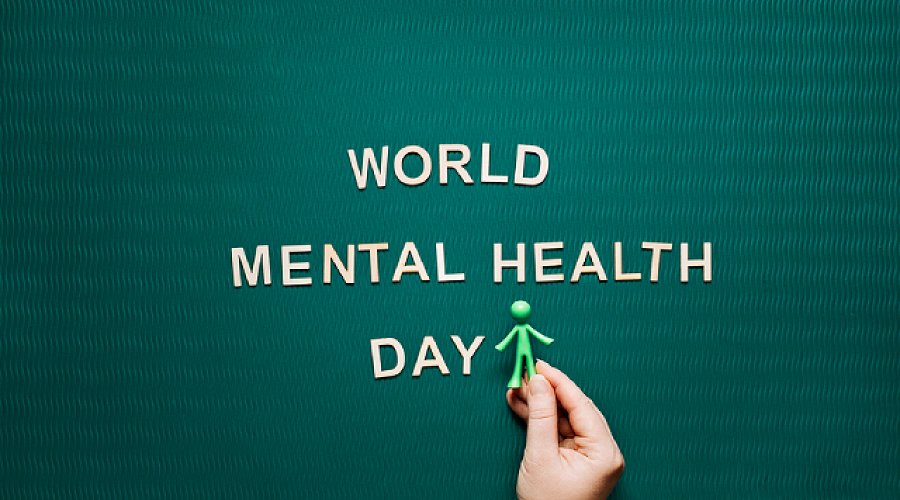
World Mental Health Day, observed on 10 October each year, provides an opportunity to reflect on how societies, communities, and workplaces support psychological well-being. The World Health Organization’s 2024 campaign specifically emphasised “mental health at work,” urging governments, employers, and representative organisations to reduce workplace risks and foster supportive working environments (World Health Organization, 2024).
The Economic and Human Costs of Poor Mental Health
Mental health conditions such as depression and anxiety have measurable human and economic consequences. A large Singaporean study estimated that symptoms consistent with depression or anxiety affected around one in five adults and imposed an economic burden equivalent to approximately 2.9% of Singapore’s gross domestic product (GDP), with presenteeism and lost productivity accounting for the majority of that cost (Chodavadia et al., 2023). These figures underline that mental health at work is not only a well-being issue but also a matter of business continuity and productivity.
Why Workplaces Matter
Work can protect mental health when employees experience clear role expectations, fair treatment, and supportive management. On the other hand, insecure employment, excessive demands, and poorly managed organisational changes can increase psychological risks. Employers therefore hold a unique position: they can both minimise workplace hazards and create pathways to support, ranging from early identification of mental health concerns to referral for professional clinical care.
Practical Steps Employers Can Take
Below are practical, evidence-based actions employers can implement.
Promote Mental Health Literacy and Reduce Stigma
Employers should provide manager training yo help leaders recognise changes in employee performance or mood and respond in a supportive manner. Regular, brief communications that normalise help-seeking behaviour can gradually shift workplace norms. In addition, peer-led support groups and well-being champions can create an environment where seeking help feels safe and encouraged.
Make Professional Support Accessible
Organisations should provide or subsidise confidential counselling services and clearly communicate how employees can access them. When depression is suspected, timely access to clinical care—including therapy for depression in Singapore through public or private providers—can reduce prolonged absence and improve recovery outcomes. Employers should also consider offering flexible scheduling for treatment appointments and telehealth options to ensure employees can receive care without logistical barriers.
Design Work to Reduce Risk and Build Resilience
Work should be structured to ensure role clarity, reasonable workloads, and predictable schedules. Employers should regularly review job design and staffing levels to prevent chronic stress. Building recovery time into work cycles, and actively encouraging breaks and leave when necessary, can help reduce the risk factors that contribute to poor mental health.
Create A Supportive Organisational Culture
Leadership behaviours have a strong influence on workplace culture. When managers openly support mental health, take leave when needed, and model a healthy work-life balance, employees feel more comfortable doing the same. Reward systems should value teamwork, problem-solving, and sustainable performance, rather than focusing solely on outputs achieved through long hours.
Aligning Programmes with Employee Needs
A recent employer survey shows that while many organisations are investing in well-being, programmes sometimes miss the mark because they do not align with what employees actually want or need (WTW, 2024). That gap can be narrowed by co-design: involving employees in selecting the supports offered, measuring uptake, and iterating based on feedback. Confidential staff surveys and focus groups are practical, high-impact ways to ensure programmes remain relevant.
Measuring Impact: Why It Matters
Organisations that track both service utilisation and outcomes tend to achieve better returns. Monitoring confidential use of counselling services, changes in self-reported well-being, sick leave rates, and staff turnover provides a comprehensive understanding of workplace mental health. Considering the significant economic impact of untreated mental health symptoms in Singapore, investments that reduce presenteeism and absenteeism often yield returns through increased productivity and lower staff replacement costs (Chodavadia et al., 2023).
A Checklist for Employers This World Mental Health Day
- Conduct an anonymous staff well-being survey to identify priority areas.
- Ensure an Employee Assistance Programme or equivalent offers confidential counselling services and clear referral pathways.
- Train managers to recognise signs of distress and guide employees to support.
- Review job design and workloads, and implement policies that protect rest and boundaries.
- Publicly mark World Mental Health Day with events that promote help-seeking and reduce stigma.
Conclusion
Workplaces play a crucial role in preventing and addressing mental health challenges. By implementing evidence-based strategies, employers can safeguard employee well-being while enhancing organisational performance. Practical support may include designing workshops, training managers, and establishing workplace referral pathways. With these measures in place, mental health can become an everyday priority rather than a once-a-year conversation.
References
Chodavadia, P., Teo, I., Poremski, D., Fung, D. S. S., & Finkelstein, E. A. (2023). Prevalence and economic burden of depression and anxiety symptoms among Singaporean adults: Results from a 2022 web panel. BMC Psychiatry, 23(1), 104. https://doi.org/10.1186/s12888-023-04581-7
World Health Organization. (2024). World Mental Health Day 2024: Mental health at work. https://www.who.int/campaigns/world-mental-health-day/2024
WTW. (2024, August 21). Singapore employers prioritise wellbeing but miss the market with employees. https://www.wtwco.com/en-sg/news/2024/08/singapore-employers-prioritise-wellbeing-but-miss-the-market-with-employees