
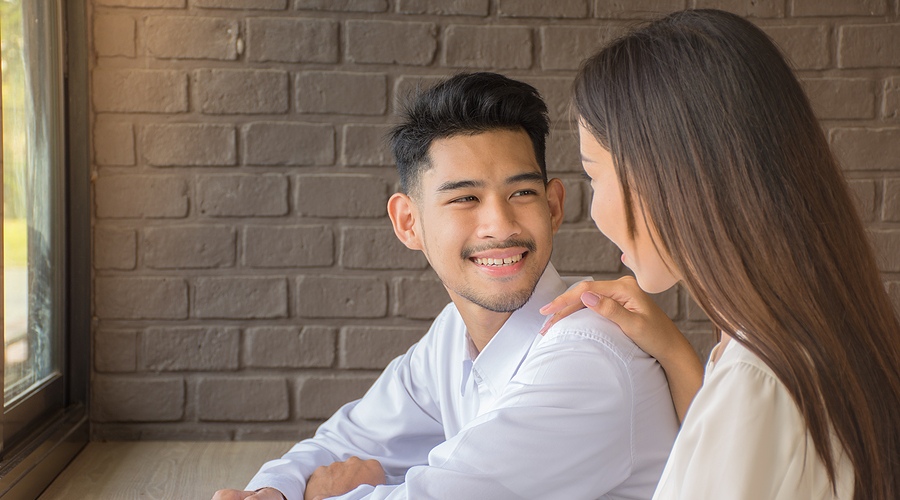
Vulnerability is often misunderstood, particularly when it comes to men and intimate relationships. Many men grow up absorbing messages that emotional openness signals weakness, while strength is equated with self-control and emotional restraint. These beliefs, although culturally reinforced, can quietly undermine relationship quality. Psychological research consistently shows that vulnerability is not a liability for men; when expressed in healthy ways, it strengthens emotional bonds, trust, and long-term relationship satisfaction.
The Cost of Emotional Suppression in Men
Traditional masculine norms frequently discourage men from expressing emotional distress, fear, or uncertainty. Research on masculinity and men’s mental health shows that those who strongly adhere to these norms are more likely to suppress emotions and less likely to seek emotional support (Addis & Mahalik, 2003), even within close relationships. Over time, this emotional suppression can create distance between partners and reduce emotional intimacy.
Emotions that are unexpressed do not disappear. Instead, they often emerge indirectly as irritability, withdrawal, or unresolved conflict. When emotional experiences are hidden, partners may feel shut out or uncertain about what is truly going on beneath the surface. This lack of emotional transparency can erode trust and connection, even in otherwise stable relationships.
Vulnerability as the Foundation of Emotional Intimacy
Emotional intimacy develops through honest self-disclosure and feeling emotionally understood. Relationships often deepen when individuals share personally meaningful thoughts and feelings and receive empathic responses, with vulnerability facilitating this process.
For men, sharing emotional experiences—such as fears of failure, work-related stress, or worries about being a good partner—invites closeness rather than undermining relational standing. When vulnerability is met with responsiveness, partners experience greater emotional security and connection. This dynamic strengthens relationships by replacing emotional distance with mutual understanding.
Importantly, vulnerability does not require oversharing or emotional flooding. Healthy vulnerability involves thoughtful, honest communication that is appropriate to both the relationship and the context. This form of openness supports balanced emotional exchange rather than fostering dependency.
Vulnerability Builds Trust and Relationship Safety
Trust grows when partners feel emotionally safe with one another. Vulnerability plays a critical role in building this safety. When men allow themselves to be emotionally seen, they demonstrate authenticity and reliability—qualities that strengthen trust over time.
Research on close relationships shows that perceived partner responsiveness, such as feeling understood, validated, and cared for, is a strong predictor of relationship satisfaction and stability (Canevello & Crocker, 2010). Vulnerability makes responsiveness possible. Without emotional disclosure, partners are left guessing, which can create insecurity or misinterpretation.
Men who practise vulnerability also model emotional honesty, encouraging reciprocal openness. This mutual exchange deepens trust and helps relationships feel like a secure base rather than a performance of strength.
Emotional Regulation Improves through Vulnerability
Contrary to common belief, emotional strength does not come from suppressing feelings. Psychological research on emotion regulation demonstrates that chronic suppression is associated with increased stress and poorer interpersonal functioning (Levasseur et al., 2026). In contrast, acknowledging emotions allows individuals to process them more effectively.
Men who express vulnerability are better able to recognise and regulate their emotional responses during conflict. Rather than reacting defensively or shutting down, they are more likely to communicate needs, boundaries, and concerns constructively. This skill is particularly important in long-term relationships, where unresolved emotional patterns often fuel repeated conflict.
Healthy vulnerability therefore supports not only emotional closeness but also more effective communication and problem-solving.
Challenging Masculinity Myths through Courage
Choosing vulnerability often requires courage, especially for men who have internalised the belief that emotional exposure is unsafe. However, studies indicate that men who are emotionally open and willing to show vulnerability tend to experience reduced stress and anxiety (McCaughey, n.d.).
Vulnerability allows men to move away from rigid gender expectations and towards authentic self-expression. This authenticity fosters deeper connections, as partners are able to engage with the whole person rather than a guarded emotional façade. Strength in relationships emerges not from emotional invulnerability, but from the willingness to be genuine.
The Reciprocal Power of Vulnerability in Relationships
Vulnerability tends to be reciprocal. When one partner takes the risk to open up, the other often feels safer doing the same. This reciprocal exchange reduces emotional isolation and builds a shared emotional narrative. Over time, couples develop greater empathy for one another’s inner worlds, strengthening resilience during periods of stress or change.
Practical Ways Men Can Practise Healthy Vulnerability
Developing vulnerability is a skill that improves with practice. Men can begin by:
- Noticing and naming emotions rather than minimising them
- Sharing feelings using calm, clear language
- Expressing needs without blame or defensiveness
- Listening openly when a partner shares their own vulnerability
Professional support can also be helpful. For men who find emotional expression challenging, therapy provides a structured, non-judgemental space to explore feelings, relationship patterns, and communication skills. Counselling services in Singapore, including those offered by ImPossible Psychological Services, help men and couples build emotional awareness and strengthen relational foundations.
Conclusion: Vulnerability as Relational Strength
Vulnerability is not the opposite of strength, it is an expression of it. For men, emotional openness deepens intimacy, strengthens trust, improves emotional regulation, and supports healthier relationships. When vulnerability is practised with intention and care, relationships become more resilient, connected, and emotionally fulfilling.
If you are looking to strengthen your relationships through greater emotional understanding and communication, ImPossible Psychological Services provides professional support tailored to both individual and relational needs.
References
Addis, M. E., & Mahalik, J. R. (2003). Men, masculinity, and the contexts of help seeking. American Psychologist, 58(1), 5–14. https://doi.org/10.1037/0003-066X.58.1.5
Canevello, A., & Crocker, J. (2010). Creating good relationships: Responsiveness, relationship quality, and interpersonal goals. Journal of Personality and Social Psychology, 99(1), 78–106. https://doi.org/10.1037/a0018186
Levasseur, M., Daoudi-Simison, S., & Stevenson-Young, L. (2026). The cost of ‘being strong’: Exploring the relationship between emotional suppression and wellbeing. Journal of Happiness and Health, 6(1), 34–40. https://doi.org/10.47602/johah.v6i1.141
McCaughey, L. (n.d.). Healthy masculinity: Encouraging emotional expression in men. aMindset. https://www.amindset.hk/healthy-masculinity-encouraging-emotional-expression-in-men/