 Skip to content

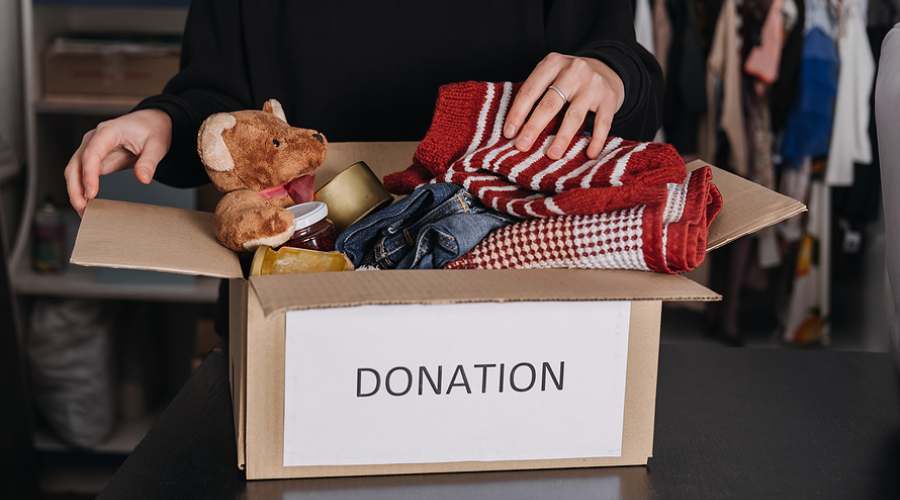
The festive season, filled with warmth and generosity, often encourages us to reach outward and support our communities. What many people don’t realise is that giving back does more than uplift others, it can also play a meaningful role in strengthening our own mental well-being. Research in psychology consistently shows that altruistic behaviour is linked to greater happiness, reduced stress and a deeper sense of purpose.
For individuals navigating low mood, anxiety or loneliness, especially during a season that can heighten emotional strain, giving back may offer a healthy psychological boost. This is also true for people seeking additional support such as therapy for depression in Singapore, as acts of generosity can complement ongoing mental health care.
A Renewed Sense of Purpose and Meaning
One of the most significant mental health benefits of giving lies in cultivating a sense of purpose. The holidays often trigger reflection on achievements, relationships and the year gone by. Engaging in acts of kindness or volunteering provides a sense of direction and helps individuals feel part of something larger than themselves. Research suggests that volunteering can enhance life satisfaction and personal meaning by reinforcing one’s role within a community (Watts, 2023).
For people who grapple with feelings of stagnation or hopelessness, giving back can be grounding. It shifts focus away from internal worries and redirects energy towards meaningful, goal-oriented action. This can naturally enhance emotional stability and self-esteem.
The Mood-Boosting “Helper’s High”
Helping others does more than feel good, it triggers measurable biological changes. When individuals engage in altruistic behaviour, the brain releases dopamine, serotonin and endorphins, chemicals linked to pleasure, bonding and stress relief. This uplifting effect is often referred to as the “helper’s high”.
Notably, the helper’s high isn’t dependent on grand gestures; even modest actions—such as donating food, helping a neighbour or writing gratitude notes—can activate the same psychological reward pathways.
Strengthening Social Connection and Reducing Loneliness
The holidays can be joyful, but they can also magnify loneliness, especially for individuals who have experienced loss, relocation or strained relationships. Giving back plays an important role here by creating opportunities for connection.
Participating in charity drives, community events or volunteer groups helps individuals build social bonds. By joining others with shared intentions, people experience a sense of belonging, which is a fundamental human need closely tied to emotional stability.
These connections can be especially beneficial for those vulnerable to depression or anxiety, as meaningful relationships often act as buffers during emotionally challenging periods.
Lower Stress and Reduced Risk of Depression
A strong body of research links volunteering to improved mental health outcomes. A large-scale study found that older adults who volunteered had lower levels of depression and a higher quality of life (Lehane & Scarlett, 2025), likely due to increased social engagement and a greater sense of life purpose.
Giving back also helps regulate stress during the holiday season through cognitive reframing. Supporting others highlights resilience, gratitude, and shared humanity – all of which can soften the impact of one’s own stressors. When people shift their focus from internal rumination to outward contribution, stress levels may naturally decline.
This makes giving back a supportive practice to complement professional mental health services when needed.
Cultivating Gratitude, Empathy and Perspective
During a season often dominated by material expectations, giving back helps recenter our values. Altruistic acts encourage empathy, gratitude and perspective, all of which are qualities shown to enhance emotional resilience.
A psychological study highlighted that gratitude practices are linked to more positive emotions and decreased anxiety (Diniz et al., 2023). By donating time or resources, individuals are often reminded of what they have, rather than what they lack.
This perspective shift can counteract holiday-related comparison, perfectionism or financial stress. Empathy, too, strengthens emotional awareness and social bonds, contributing to long-term mental stability.
Practical Ways to Give Back This Holiday Season
Giving back does not require grand gestures or significant resources. Here are meaningful, manageable ways to integrate generosity into your festive season:
- Volunteer at community kitchens, shelters, charities or senior centres.
- Offer practical help such as grocery runs, household support or providing company to someone who may feel alone.
- Donate items including clothing, books or food to organisations supporting families in need.
- Support mental-health advocacy by raising awareness or contributing to community programmes.
- Engage as a family or workplace, creating a shared giving tradition that strengthens relationships.
- Practice micro-kindness, such as writing appreciation notes or offering emotional support to someone going through a tough time.
Small acts often have the biggest emotional impact, both for others and for yourself.
Giving Back as Self-Care
Giving back during the holidays is more than a seasonal tradition, it can be a powerful form of emotional nourishment. Whether through volunteering, donating or expressing kindness, generosity can uplift mood, reduce stress, promote social bonding and create a stronger sense of purpose.
References
Diniz, G., Korkes, L., Tristão, L. S., Pelegrini, R., Bellodi, P. L., & Bernardo, W. M. (2023). The effects of gratitude interventions: a systematic review and meta-analysis. Einstein (Sao Paulo), 21, eRW0371. https://doi.org/10.31744/einstein_journal/2023RW0371
Lehane, G. & Scarlett, S. (2024). Psychological health outcomes of older adult volunteers: Findings from the Irish longitudinal study on ageing. Age and Ageing, 53 (4). https://doi.org/10.1093/ageing/afae178.025
Watts, P. (2023, November 9). The psychological benefits of volunteering. https://www.mindstatepsychology.com.au/blog/the-psychological-benefits-of-volunteering