 Skip to content

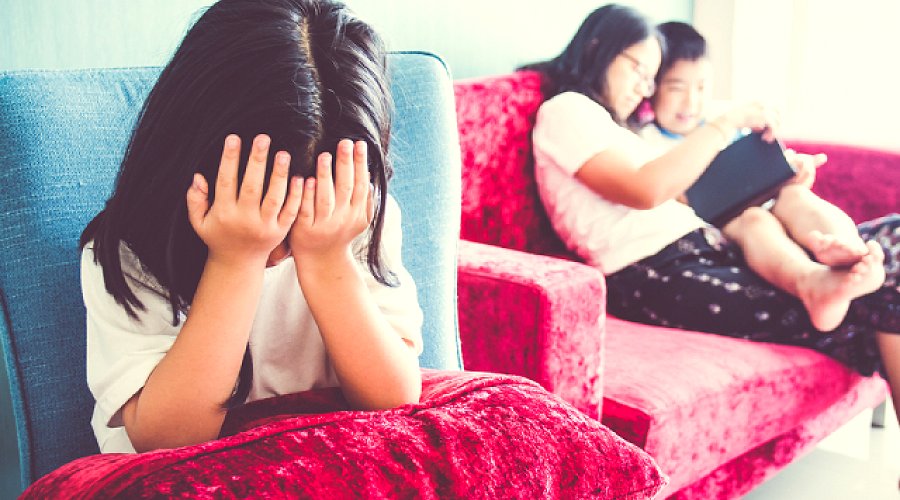
Sibling relationships often come with a mix of love, rivalry, competition and comparison. While some level of rivalry is developmentally normal, unchecked jealousy and frequent comparison can lead to long-term emotional distress and strained sibling dynamics. Parents often find themselves struggling to manage the tension, while children may internalise feelings of inadequacy, resentment or anxiety.
Understanding the emotional roots of sibling jealousy and comparison is key to fostering a more supportive home environment and healthier sibling bonds.
Why siblings compare themselves to each other
Children tend to define themselves in relation to their siblings. Whether it is academic achievements, attention from parents, talents or even physical appearance, comparisons are often inevitable. Social comparison theory suggests that individuals evaluate themselves based on comparisons with others. This tendency is especially strong among siblings due to proximity and shared social environments.
Parents may unknowingly reinforce comparisons by praising one child for excelling in a specific area while neglecting to affirm another child’s strengths. Even neutral comments such as “Why can’t you be more like your sister?” can instill feelings of inferiority. Over time, these comparisons contribute to jealousy and impact self-esteem.
The psychological impact of jealousy on children
Jealousy among siblings is not just about temporary envy. If left unresolved, it can manifest in behavioural issues, academic regression, or social withdrawal. Jealousy may also affect identity development, leading children to adopt either a rebellious persona or a perfectionistic mindset as a way to gain attention or validation.
Research shows that children exposed to sibling rivalry and perceived parental favouritism are at greater risk of depression, anxiety, and difficulties with emotional regulation later in life (Feinberg et al., 2012). For parents noticing increased tension or behavioural changes in their children, consulting a child’s therapist in Singapore can provide early intervention and guidance.
How to address comparison at home
Creating a home environment that values each child’s unique strengths is essential. Parents can take active steps to minimise comparison and foster mutual respect among siblings.
1. Avoid labels and favouritism
Labelling one child as the “smart one” or the “sporty one” can make other siblings feel pigeonholed or undervalued. Instead of making comparisons, focus on encouraging individual growth. For example, say, “I’m proud of how hard you worked on your project,” rather than, “You did better than your brother.”
2. Encourage collaboration over competition
When possible, involve siblings in shared tasks or games that require teamwork rather than competition. This helps them view each other as partners rather than rivals. Activities like cooking, art projects, or cooperative board games can help foster stronger bonds.
3. Spend quality time individually
Each child needs moments of undivided attention to feel valued. These don’t have to be elaborate—simple routines like bedtime chats, a walk, or a shared hobby can go a long way in strengthening the parent-child connection. When each child feels seen and heard, they are less likely to view siblings as threats.
4. Model empathy and emotional regulation
Children often mirror adult behaviours. When parents express empathy, apologise for mistakes, or handle conflict calmly, children learn to do the same. Teaching children to name their emotions and express them constructively is a valuable skill for managing jealousy.
Helping older children and adults work through sibling jealousy
Jealousy and comparison do not always end with childhood. Many adults continue to compare themselves to their siblings, often with feelings rooted in childhood experiences. This may manifest as resentment over perceived parental favouritism, differences in success, or emotional distance.
For adults navigating such emotions, adult counselling in Singapore can be a supportive space to process unresolved feelings, understand underlying beliefs, and establish healthier boundaries. Counselling can also be useful when planning important conversations with family members, especially when aiming to heal old wounds.
When to seek professional support
While occasional jealousy is normal, persistent rivalry, aggression, or emotional withdrawal may require professional help. A therapist can work with families to improve communication, enhance emotional literacy, and reduce triggers for comparison. Therapy also helps children build a more resilient self-concept that is not defined by others’ achievements.
A family-focused approach, such as family therapy or parent coaching, may be beneficial in cases where systemic dynamics contribute to sibling conflict. As research by McHale et al. (2012) suggests, supportive sibling relationships in early life not only promote emotional wellbeing but also positively influence interpersonal skills in adulthood.
Building long-term emotional resilience
The goal is not to eliminate sibling jealousy entirely, but to help both children and adults cope with these feelings in a healthy way. Encouraging emotional openness, celebrating individual differences, and reframing success can all contribute to more harmonious sibling relationships.
Ultimately, supporting each child’s individuality, offering emotional validation, and fostering empathy can go a long way in reducing the negative effects of comparison.
If you are facing ongoing struggles with sibling rivalry or emotional tension, the team at ImPossible Psychological Services is here to help. Our qualified therapists can work with you to regain emotional balance.
References
Feinberg, M. E., Solmeyer, A. R., & McHale, S. M. (2012). The third rail of family systems: Sibling relationships, mental and behavioural health, and preventative intervention in childhood and adolescence. Clinical Child and Family Psychology Review, 15(1), 43–57. https://doi.org/10.1007/s10567-011-0104-5
McHale, S. M., Updegraff, K. A., & Whiteman, S. D. (2012). Sibling relationships and influences in childhood and adolescence. Journal of Marriage and Family, 74(5), 913–930. https://doi.org/10.1111/j.1741-3737.2012.01011.x