 Skip to content

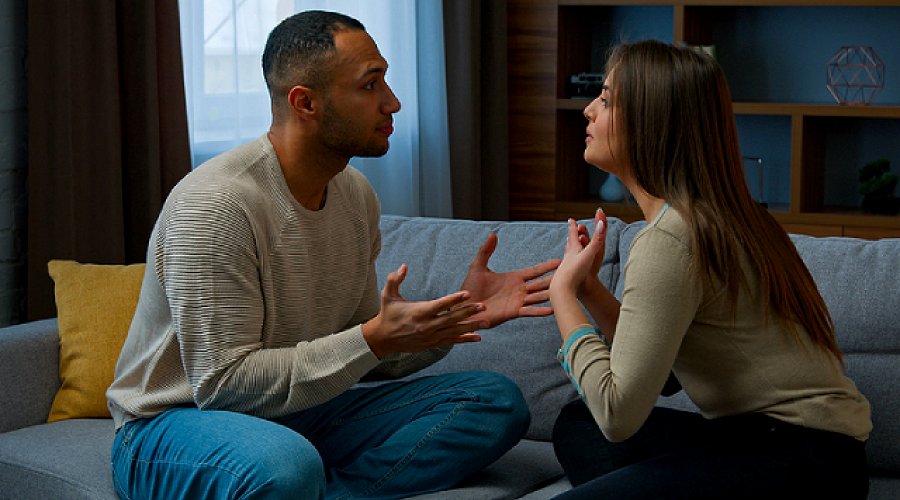
Communication is the cornerstone of any healthy relationship. It serves as the foundation upon which trust, understanding, and connection are built. However, not all forms of communication are created equal. One particularly damaging style of communication is passive aggressiveness. Passive-aggressive communication involves expressing negative feelings or thoughts indirectly, often concealing hostility behind a facade of politeness (Bigley II, 2022).
Below, we will explore the harmful effects of passive-aggressive communication in relationships and its implications for mental and emotional well-being.
The nature of passive-aggressive communication
Passive-aggressive behaviour can manifest for a variety of reasons, often rooted in complex emotions and interpersonal dynamics, such as fear of losing control, insecurity, or lack of self-esteem. Some individuals use passive-aggressive behaviour as a coping mechanism in response to stress, anxiety, or dealing with conflict or rejection. In some cases, individuals engage in passive-aggressive behaviour because they harbour grudges against their partner, or feel underappreciated or undervalued, leading them to express their grievances through passive-aggressive means (MSc, 2023).
Passive-aggressive behaviour is common and can be detrimental in different types of relationships. Several factors contribute to its prevalence (Cherry, 2022):
- Family Upbringing: Growing up in an environment that discourages open emotional expression can lead to passive-aggressiveness as an alternative outlet for anger.
- Mental Health: Depression can be linked to passive-aggressive behaviours, as individuals may use indirect means to cope with their emotions.
- Situational Influence: Social contexts where overt aggression is frowned upon may prompt passive-aggressive responses to provocation.
- Avoidance of Confrontation: When confronting issues feels difficult or intimidating, people may resort to passive-aggression as a way to manage their emotions without direct confrontation.
Passive-aggressive communication manifests in various ways, making it challenging to identify. It can involve sarcasm, subtle insults, backhanded compliments, the silent treatment, or even deliberate forgetfulness (Huntington, n.d.). Passive-aggressive individuals often avoid confrontation and hide their true feelings, making it difficult for their partners to address and resolve underlying issues.
For example, some common passive-aggressive phrases could be, “I wouldn’t expect you to understand”, “That’s a big accomplishment, especially for you”, or “I guess it must be nice to always have so much free time for yourself”. These phrases are seemingly positive on the surface, but they carry an underlying tone of criticism.
Passive aggression often leads to negative interaction patterns and breakdowns in effective communication between individuals. For instance, in a romantic relationship, if one partner feels unappreciated for their housework but cannot express this directly, they may respond by withholding affection or ignoring their partner instead. (Bach, 1971)
How passive-aggressive communication impacts relationships
Passive-aggressive communication can negatively impact your relationship in many ways. Let’s take a look at how it can affect your relationship:
1. Increased conflict
Passive-aggressive communication is often used to avoid direct confrontation. When this occurs, you’re forcing your partner to “read your mind”, which can be damaging in a relationship. When your partner fails to figure out what you’re really trying to communicate or reads you inaccurately, this will lead to miscommunications and in turn, more conflict (Bejar, 2021).
2. Feelings of loneliness
Engaging in conversations enables couples to connect and share with each other their thoughts and feelings, even in the context of challenging topics. Lack of direct communication and passive-aggressiveness can lead both parties in the relationship to feel misunderstood, causing you to push each other away. This leads to feelings of loneliness and isolation in a relationship.
3. Negative impact on mental health
Both the passive-aggressive individual and the recipient of this behaviour can experience negative effects on their mental health. The passive-aggressive person may internalise their anger and frustration, which can lead to unresolved conflicts and emotional distress. On the other hand, those on the receiving end may experience stress, self-doubt, and diminished self-esteem. In such cases, consider seeking professional support like relationship therapy in Singapore that can provide valuable guidance and effective strategies for addressing these challenges and improving overall emotional well-being.
4. Breakdown of trust
Over time, as passive-aggressive behaviour continues, individuals on the receiving end may start to feel like they are being deceived or manipulated. They may sense that the passive-aggressive person is dismissive or not being straightforward about their concerns, which can be deeply unsettling. This perception of deception can erode trust further, making it difficult to rely on or confide in their passive-aggressive partner.
How to recognise your own passive-aggressive behaviour
At times, it might be easier to recognise passive-aggressive behaviour in others rather than yourself. Here are some questions to ask yourself to identify if you might be displaying passive-aggressive behaviour:
- Do you often avoid people who upset you?
- Do you tend to avoid communicating to people when you are angry with them?
- Do you use sarcasm to avoid meaningful conversations?
- Do you delay doing things as a means to punish others?
If you feel that your passive-aggressive behaviours are damaging your relationships, there are steps you can take to change how you relate to others. These include Improving self-awareness by paying attention to your emotions in various situations, being patient as you work on changing passive-aggressive patterns and practising effective expression of your feelings to enhance conflict resolution skills.
Conclusion
Recognising destructive communication patterns such as passive aggressiveness can help us better understand its consequences and work towards healthier communication dynamics. If you find yourself or your partner struggling with such issues, seeking support through psychotherapy in Singapore can provide valuable guidance and tools to help you address and manage passive-aggressive behaviours in healthier ways.
References
Bach, G. (1971). Aggression lab: The fair fight manual. Dubuque, IA: Kendall-Hunt.
Bejar, L. (2021). Being Passive Aggressive Is Hurting Your Relationship—Here’s How to Avoid the Behavior. https://www.theknot.com/content/passive-aggressive-relationship
Bigley II, J. (2022, December 9). How To Tell if You (or Someone Else) Are Being Passive-Aggressive. Cleveland Clinic. https://health.clevelandclinic.org/passive-aggressive/
Cherry, K. (2022). How to Recognize Passive-Aggressive Behavior https://www.verywellmind.com/what-is-passive-aggressive-behavior-2795481
Huntington. (n.d.). Passive Aggression: Definition, Examples, & Behaviors. https://www.berkeleywellbeing.com/passive-aggression.html
MSc, O. G. E. (2023, September 12). 16 Signs Of Passive-Aggressive Behavior With Examples. Simply Psychology. https://www.simplypsychology.org/passive-aggressive-behavior.html